這篇文章 What Are Mochi Balls Made For? 最早出現於 Ying Xuan Zhuang。
]]>Mochi balls are primarily made from glutinous rice, water, sugar, and various flavorings or fillings.
These simple ingredients create the chewy texture and sweet taste that mochi is famous for.

Key Ingredients in Mochi
- Glutinous Rice (Mochigome) – This sticky rice is steamed and pounded until it becomes dough-like and elastic.
- Water and Sugar – Water softens the rice, while sugar adds sweetness.
- Flavoring and Fillings – Traditional fillings include red bean paste and matcha, while modern versions use ice cream or chocolate.
How Mochi Is Made
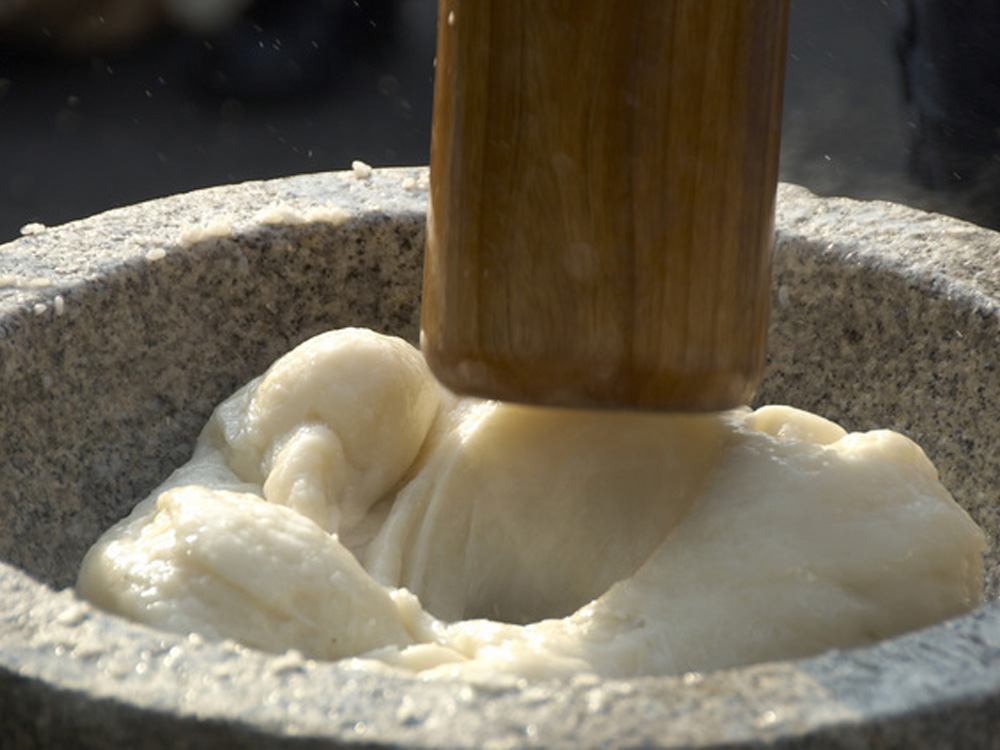
Mochi is made by steaming the glutinous rice, then pounding it into a smooth, sticky dough. Traditionally, this is done through a process called Mochitsuki, but modern production often uses machines.
Once the dough is ready, it’s shaped into balls and filled with sweet or savory ingredients.

Cultural Significance
Mochi has deep roots in Japanese culture. It’s a symbol of prosperity and is often eaten during celebrations like New Year’s.
It also has spiritual significance, used in offerings and ceremonies as a way to connect with the gods.

Modern Mochi Variations
In addition to traditional flavors, mochi has gained global popularity through innovations like mochi ice cream, a fusion dessert where mochi is filled with ice cream.
This combination of chewy dough and creamy ice cream has made mochi a beloved snack worldwide.

Health Benefits
Mochi is naturally gluten-free and provides a quick energy boost due to its high carbohydrate content.
However, it’s important to eat mochi in moderation because of its dense calorie content.
Safety Concerns
While mochi is delicious, its sticky texture can be a choking hazard.
To eat mochi safely, take small bites and chew thoroughly, especially for young children and the elderly.
Conclusion
Mochi balls, made from simple ingredients like glutinous rice, water, and sugar, carry significant cultural meaning and have evolved into a versatile treat enjoyed worldwide.
Whether filled with traditional red bean paste or modern ice cream, mochi’s chewy texture and sweet flavor continue to captivate food lovers across the globe.

FAQs
- What are mochi balls made of?
Mochi balls are made from glutinous rice, water, sugar, and various fillings like red bean paste or ice cream. - Why is mochi chewy?
The chewy texture comes from the glutinous rice, which becomes sticky and elastic after being pounded. - Is mochi gluten-free?
Yes, mochi is naturally gluten-free because it is made from glutinous rice, which contains no gluten. - How is mochi traditionally made?
Mochi is traditionally made by steaming and then pounding glutinous rice in a process called Mochitsuki. - Can mochi be dangerous to eat?
Yes, mochi can pose a choking hazard if not eaten carefully. It’s important to chew it thoroughly and take small bites.
If you are interested in importing mochi to your country for sale, please feel free to contact us.
這篇文章 What Are Mochi Balls Made For? 最早出現於 Ying Xuan Zhuang。
]]>這篇文章 How to Make Mochi: A Guide for Importers 最早出現於 Ying Xuan Zhuang。
]]>Mochi, a chewy, sweet rice cake, has gained immense popularity worldwide. If you’re considering importing mochi to your country, understanding the production process is crucial. Here’s a step-by-step guide to making mochi:
Ingredients:
- Mochigome: A short-grain, glutinous rice.
- Water: Filtered or distilled water is preferred.
- Sugar: For sweetness.
- Filling: Choose your preferred filling, such as red bean paste, fruit, or ice cream.

Equipment:
- Mochi pounding tool: Traditionally made of wood, this tool is used to pound the rice into a dough.
- Mochi board: A wooden or stone surface for pounding the mochi.
- Steam cooker: To cook the mochigome.

Steps:
-
Prepare the rice:
- Rinse the mochigome thoroughly to remove impurities.
- Soak the rice in cold water for at least 8 hours, or overnight.
- Drain the water and place the rice in a steam cooker.
-
Steam the rice:
- Cook the rice according to the steam cooker’s instructions.
- The rice should be soft and sticky when cooked.
-
Pound the mochi:
- Transfer the cooked rice to the mochi board.
- Sprinkle a little water on the board to prevent sticking.
- Use the mochi pounding tool to pound the rice vigorously, working it into a smooth, elastic dough.
- This process can take several minutes.
- Add more water if the dough becomes too dry.

The mochi board and pounding tool used in the process
-
Shape and fill:
- Divide the mochi dough into equal portions.
- Shape each portion into a desired shape, such as a ball or rectangle.
- Place a filling in the center of the mochi and fold the dough around it to enclose the filling.
-
Dust and store:
- Sprinkle the mochi with a dusting of potato starch or rice flour to prevent sticking.
- Store the mochi in an airtight container in the refrigerator.

By following these steps, you can create delicious and authentic mochi to import and share with your customers.
Remember to consider local regulations and import requirements when bringing mochi into your country.
Of course, you can make mochi at home or simply purchase ready-made delicious mochi and enjoy it effortlessly.
If you are interested in importing mochi to your country for sale, please feel free to contact us.
這篇文章 How to Make Mochi: A Guide for Importers 最早出現於 Ying Xuan Zhuang。
]]>這篇文章 Pastry Variety: Explore the Delicious Diversity of Traditional Pastries 最早出現於 Ying Xuan Zhuang。
]]>The culture of pastries has a long and ancient history, dating back thousands of years. In ancient times, pastries were primarily made from grains such as rice, wheat, and millet, and they were prepared through methods like steaming, frying, and deep frying. Over time, the variety of pastries has grown, and different regions have developed their own distinctive local pastries.
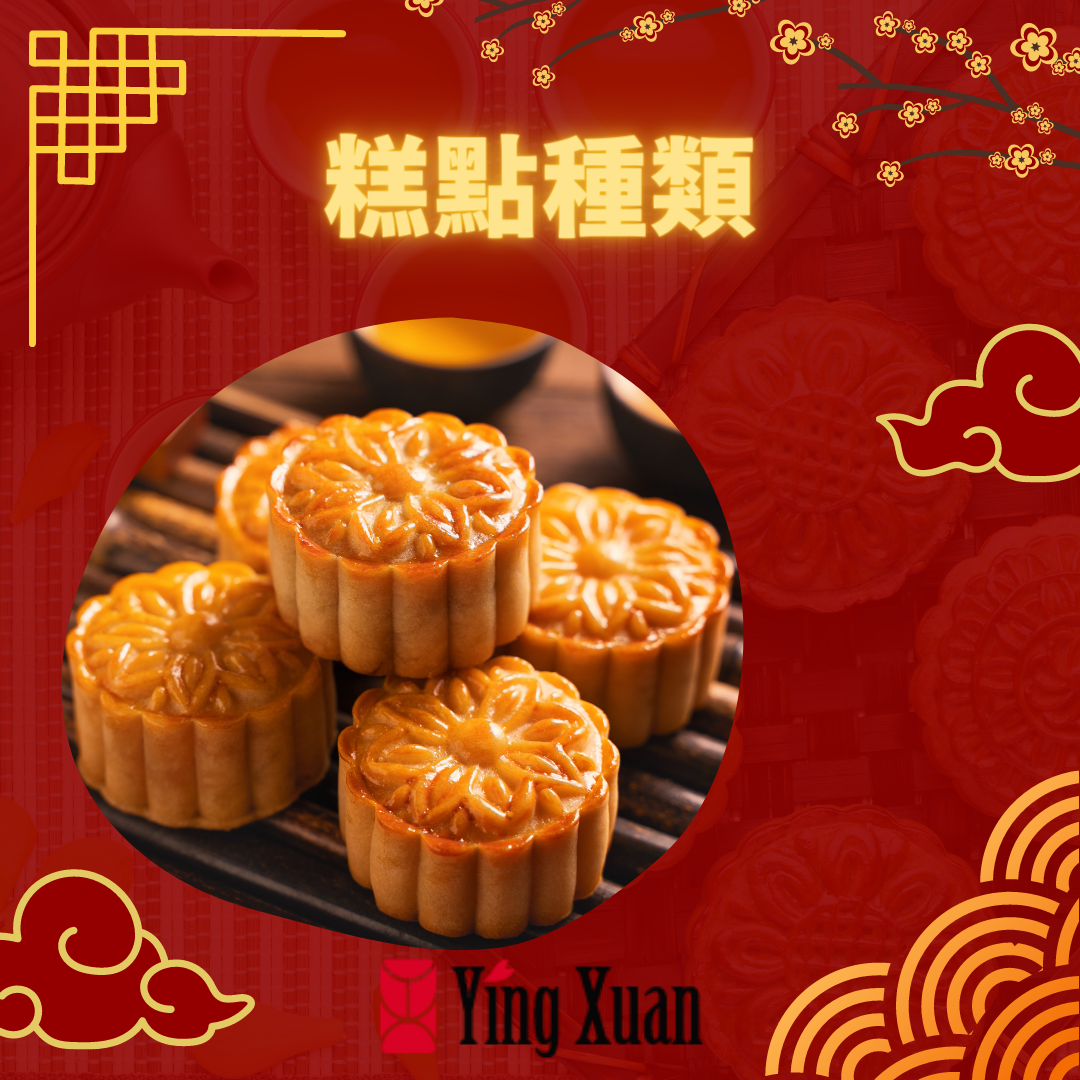
Traditional Pastry Making
The craft of making traditional Chinese pastries is a complex one, often requiring strict recipes and meticulous craftsmanship. These pastries typically use high-quality ingredients and must pay attention to the details of the preparation process. Here are the general steps in making pastries:
- Select High-Quality Ingredients: The quality of pastries is directly linked to the quality of the ingredients used. High-quality rice, wheat flour, and fresh fruits are key to making delicious pastries.
- Mixing and Stirring: Depending on the recipe, ingredients are mixed and stirred to form a paste, ensuring even distribution of all components.
- Fermentation or Leavening: Some pastries require fermentation, while others expand through steaming to achieve a soft texture.
糕點製作 糕點製作
- Steaming, Frying, or Deep Frying: Depending on the type of pastry, it is either steamed, pan-fried, or deep-fried to achieve different textures and appearances.
- Adding Decorations: Decoration is an essential part of pastry artistry and can include flowers, nuts, sugar glaze, and more to enhance visual appeal.
Classification of Pastry Types
Chinese pastries come in a wide variety, each with its own unique characteristics and flavors. Here are some common traditional Chinese pastries to explore:
- Cake Types
- Steamed Cakes: Made primarily from rice flour with added sugar and other ingredients, steamed to create items like lotus leaf cake and radish cake.
- Fried Cakes: Cake batter is deep-fried until golden and crispy, including items like youtiao (fried dough sticks) and sesame balls.
- Rolled Cakes: Batter is poured onto a flat pan, baked into thin sheets, filled with various fillings, and rolled up to create items like egg yolk roll and scallion pancake roll.
- Pastry Types
- Pineapple Cake: Featuring pineapple filling encased in a crispy pastry shell, sweet but not overly so.
- Wife Cake (Lao Po Bing): A traditional Shanxi pastry, crispy and delicious, typically filled with red bean or lotus seed paste.
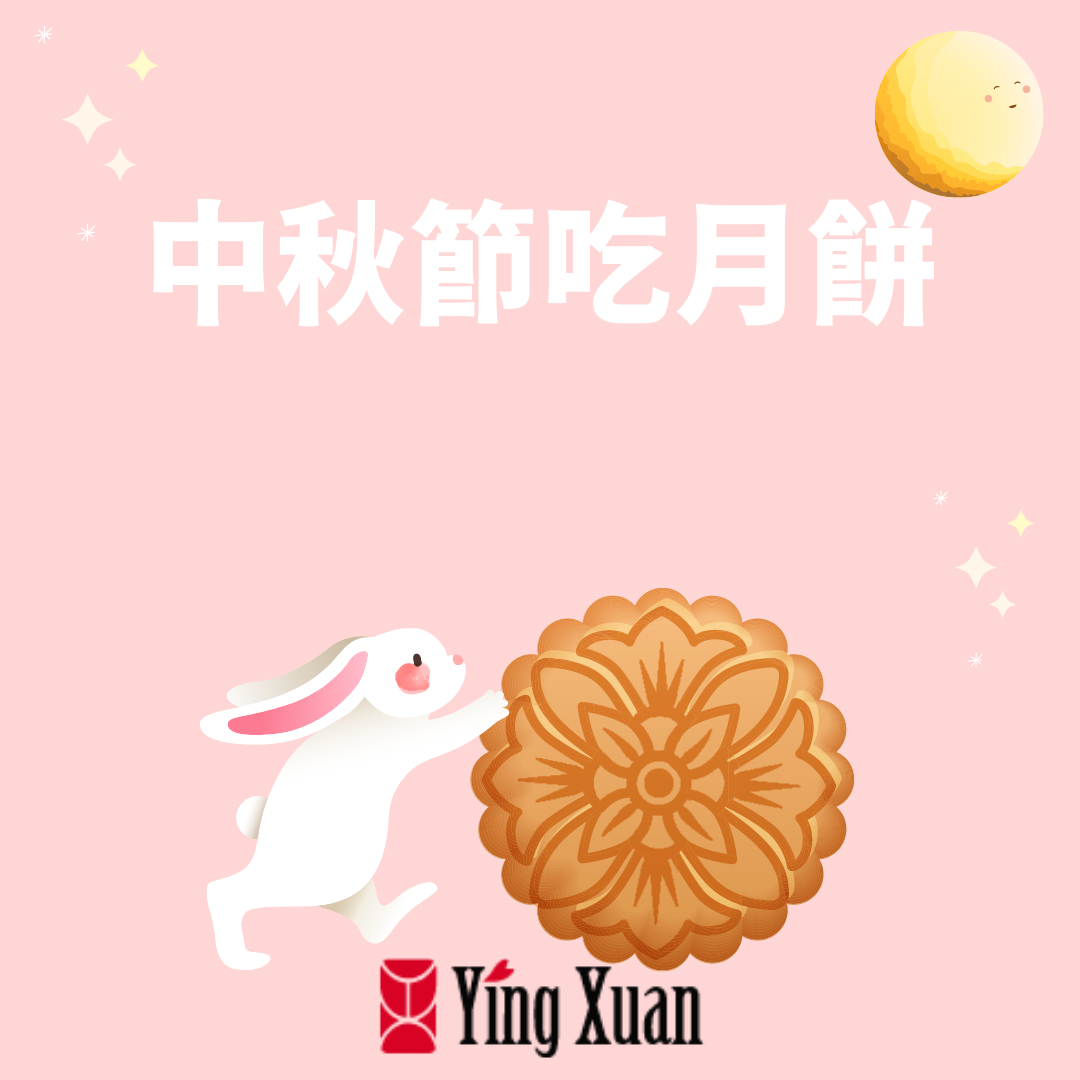
月餅
- Dim Sum
- Xiaolongbao (Soup Dumplings): Famous Shanghai dumplings filled with meat and a savory soup, known for their thin skin and juicy filling.
- Dragon’s Beard Candy: Made from spun sugar, resembling dragon’s beard, and known for its rich rock sugar flavor.
- Zongzi Types
- Zongzi: A traditional food for the Dragon Boat Festival, made by wrapping glutinous rice and various fillings in bamboo leaves, with both sweet and savory varieties.
Regional Specialties
Chinese pastries from different regions have unique characteristics that reflect local cultures and traditions. Here are representative examples from various regions:
- Chaozhou and Shantou in Guangdong
-
- Chaozhou Gongfu Cake: Made with lychee flower powder, red dates, and peanuts, offering a dense and sweet flavor.
- Cantonese-Style Mooncakes: Unlike traditional mooncakes, Cantonese-style mooncakes have a flaky crust and diverse fillings, including meat, nuts, and egg yolks.
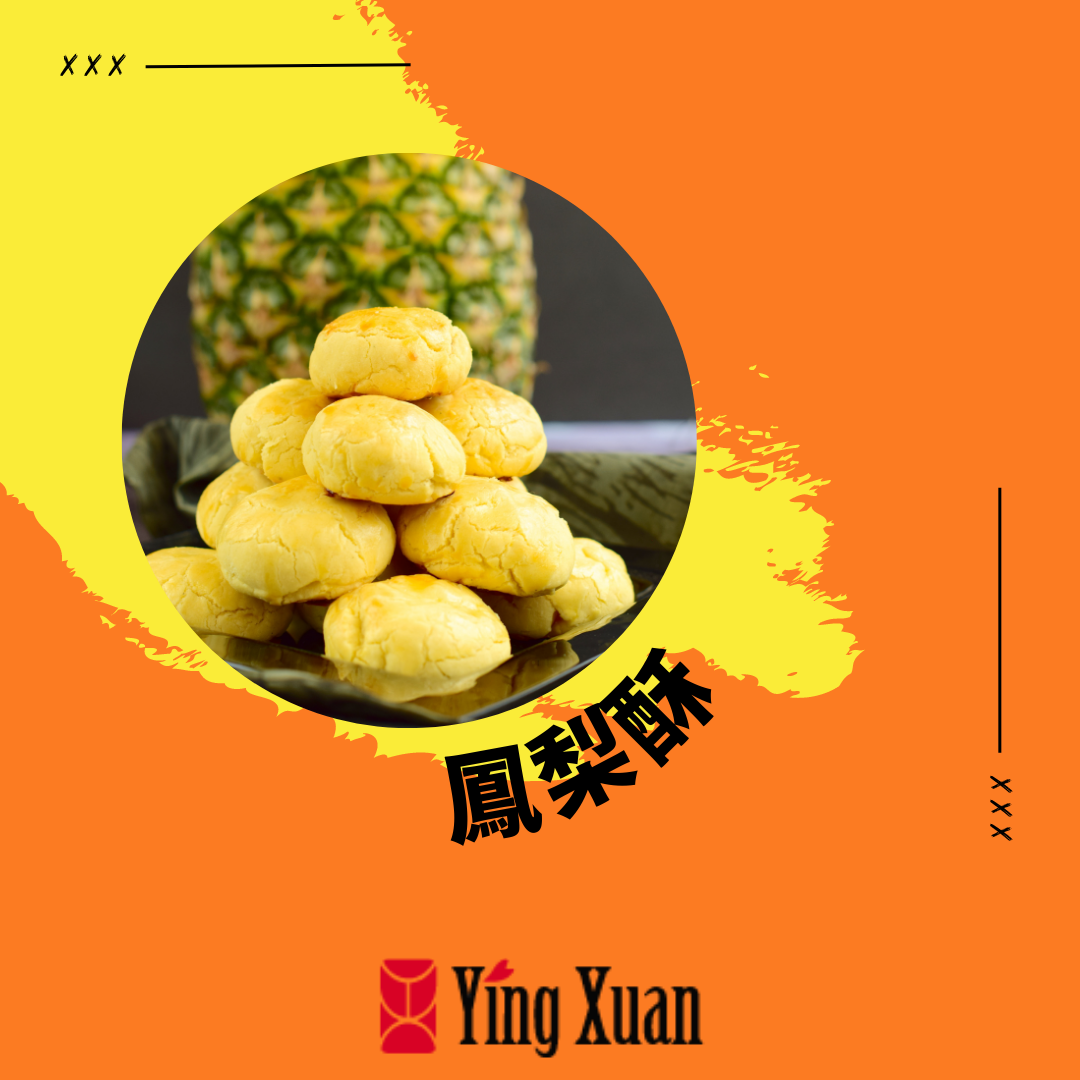
鳳梨酥
- Fujian
-
- Osmanthus Cake: Made with glutinous rice and osmanthus flowers, providing a fragrant and sweet taste.
- Taro Cake: Made with fresh taro, glutinous rice flour, and coconut milk, resulting in a dense and smooth texture.
- Jiangnan Region
-
- Hangzhou Sudi Cake: A specialty from Hangzhou, featuring a crispy outer layer and a sweet and flaky filling, leaving a memorable taste.
Cultural Significance of Pastries
Chinese pastries hold deep cultural significance beyond being food. They are often associated with festivals and traditional holidays, symbolizing celebrations and unity:
- During Chinese New Year, people enjoy nian gao (sticky rice cake) as a symbol of a sweet and prosperous life in the coming year.
- On the Dragon Boat Festival, people eat zongzi to commemorate the heroic poet Qu Yuan.
- During the Mid-Autumn Festival, sharing mooncakes symbolizes reunion and harmony.
Pastries play an essential role in traditional Chinese festivals, connecting people with their emotions and cultural roots.
The Future of Pastry Types
With societal developments and evolving tastes, pastries are continuously innovating and evolving. Traditional pastry-making techniques are merging with modern technology to introduce new pastry products that cater to the needs of contemporary consumers. Simultaneously, Chinese pastry culture is gradually gaining international popularity, enjoyed by an increasing number of foreign friends.
How many types of pastries are there? Currently, there is a wide variety of pastry types, too numerous to count. Each region has its unique pastries, and with ongoing innovation, new pastry varieties continue to emerge, totaling in the hundreds.
How can I choose high-quality pastries? Selecting high-quality pastries involves a few considerations. First, choose a reputable pastry shop. Second, pay attention to the ingredients and production methods used for the pastries. Lastly, select pastries based on your personal taste and preferences.
What are the best ways to store pastries? In general, pastries should be stored in a dry and cool place, away from direct sunlight. If the pastries need refrigeration, they should be kept in the refrigerator.
Are pastries suitable for everyone to eat? Most pastries are suitable for the general population. However, if you have specific dietary restrictions or food allergies, it’s advisable to check the ingredients and components of the pastries before consumption.
How important is pastry culture in China? Pastry culture holds a significant place in China; it represents not just food but also an integral part of Chinese traditional culture. Pastries are often associated with festivals and traditional holidays and play an essential role in these celebrations.
Which Chinese festivals feature pastries prominently? Chinese festivals where pastries play a significant role include Chinese New Year, the Dragon Boat Festival, and the Mid-Autumn Festival. During these festivals, people indulge in various types of pastries, symbolizing good luck and well wishes.
Conclusion
The diversity and cultural significance of pastry types make them treasures in Chinese culinary culture. Whether traditional or innovative, pastries showcase the Chinese people’s love and pursuit of good food. Through this article, we hope you have gained a deeper understanding of pastry varieties and look forward to you savoring their deliciousness and cultural charm.
Additionally, pastries, especially pineapple cakes, are part of Taiwan’s top 10 must-try snacks. You can learn more by clicking the link.
If you are interested in importing pineapple cakes for sale domestically, you can consider this salted egg yolk pineapple cake or contact us for the latest information.
這篇文章 Pastry Variety: Explore the Delicious Diversity of Traditional Pastries 最早出現於 Ying Xuan Zhuang。
]]>這篇文章 Mochi – Sesame Flavor 最早出現於 Ying Xuan Zhuang。
]]>
After that, many different flavors were invented, which gradually became one of the delicacies of the New Year.
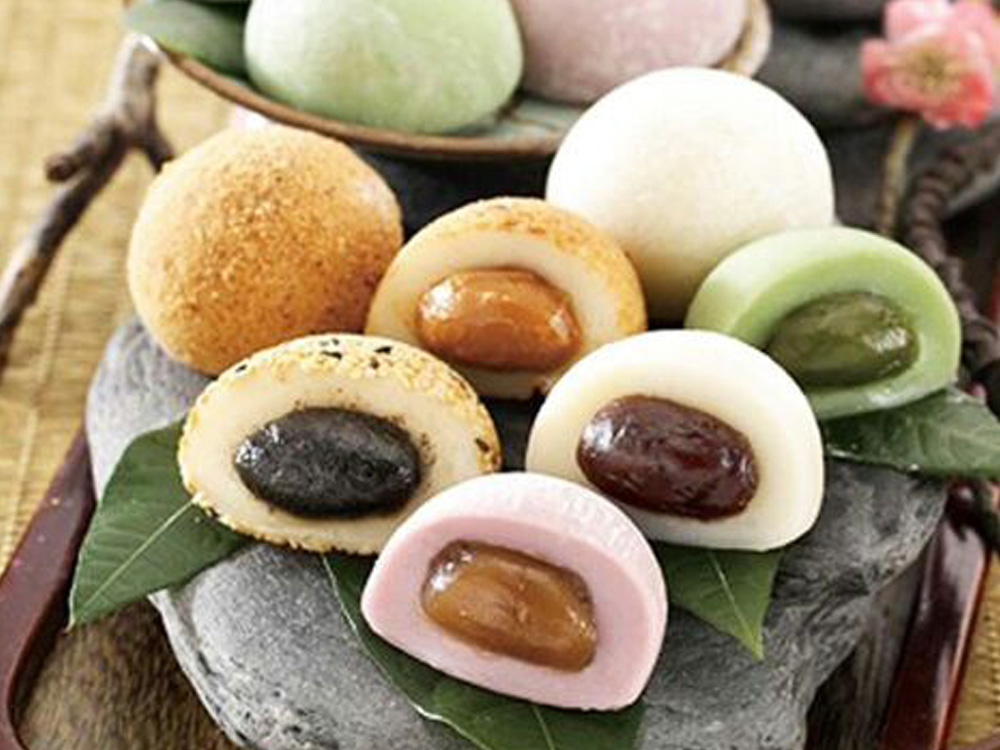
With every bite, the soft and chewy texture is combined with the delicate filling, which gradually melts in the mouth under the delicious interweaving.
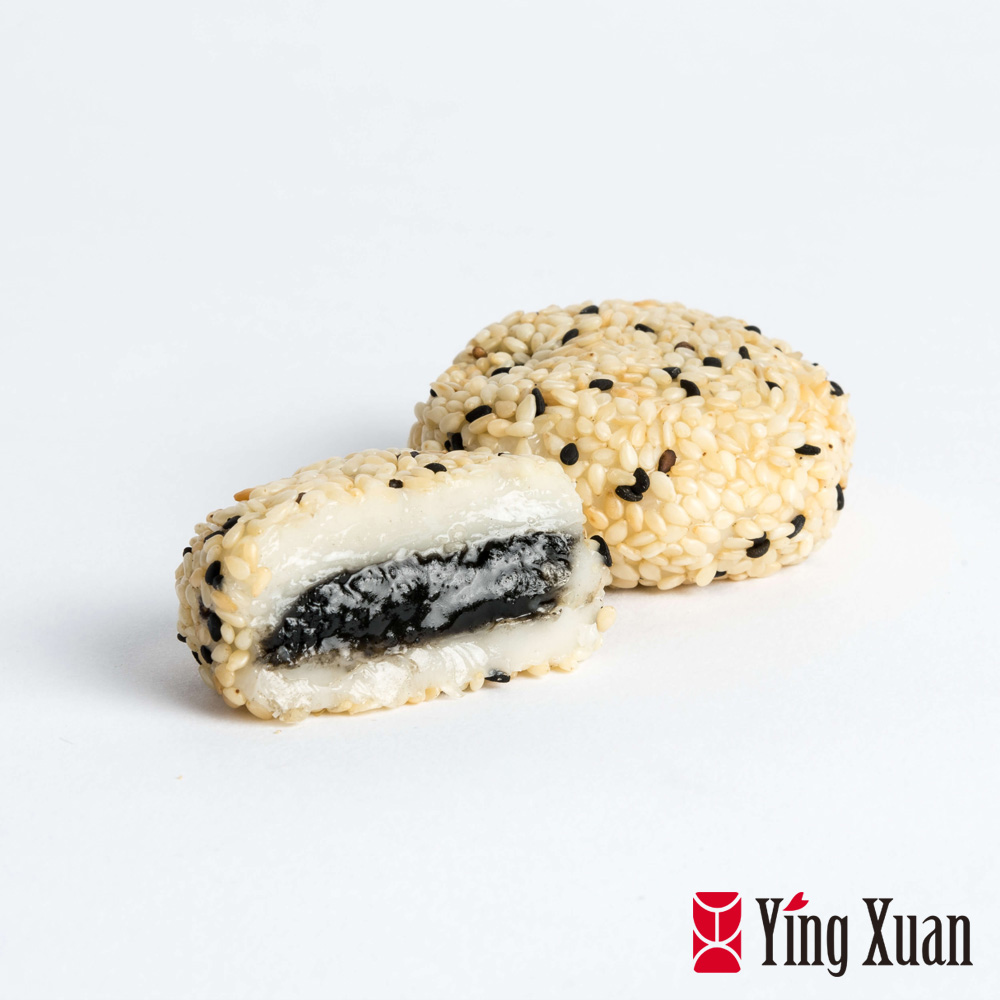
Each box contains 6 mochi, which are carefully prepared and maintained at the best quality. You can enjoy it anytime, anywhere, it tastes better with coffee and tea
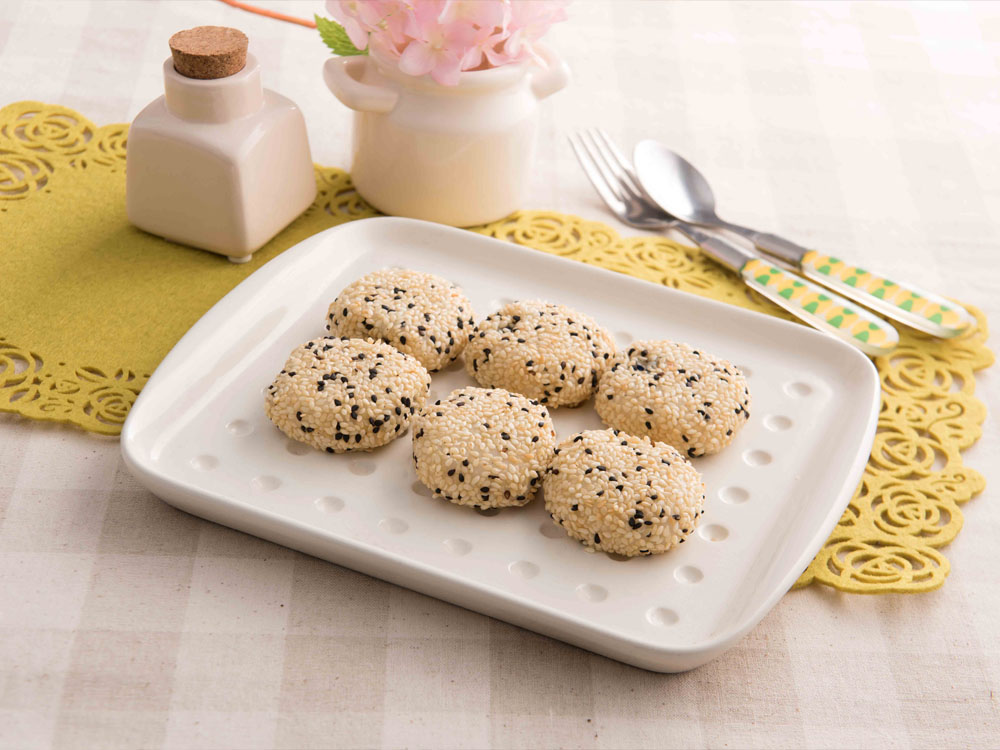
Minimum order quantity: 30 boxes
Shipping method: FCL; LCL
Lead time: 30 days
Packaging: Boxed
Professional Certification: HACCP; ISO
Allergen Warning: This product contains peanuts, soy and dairy.
這篇文章 Mochi – Sesame Flavor 最早出現於 Ying Xuan Zhuang。
]]>這篇文章 Mochi – Peanut Flavor 最早出現於 Ying Xuan Zhuang。
]]>
After that, many different flavors were invented, which gradually became one of the delicacies of the New Year.
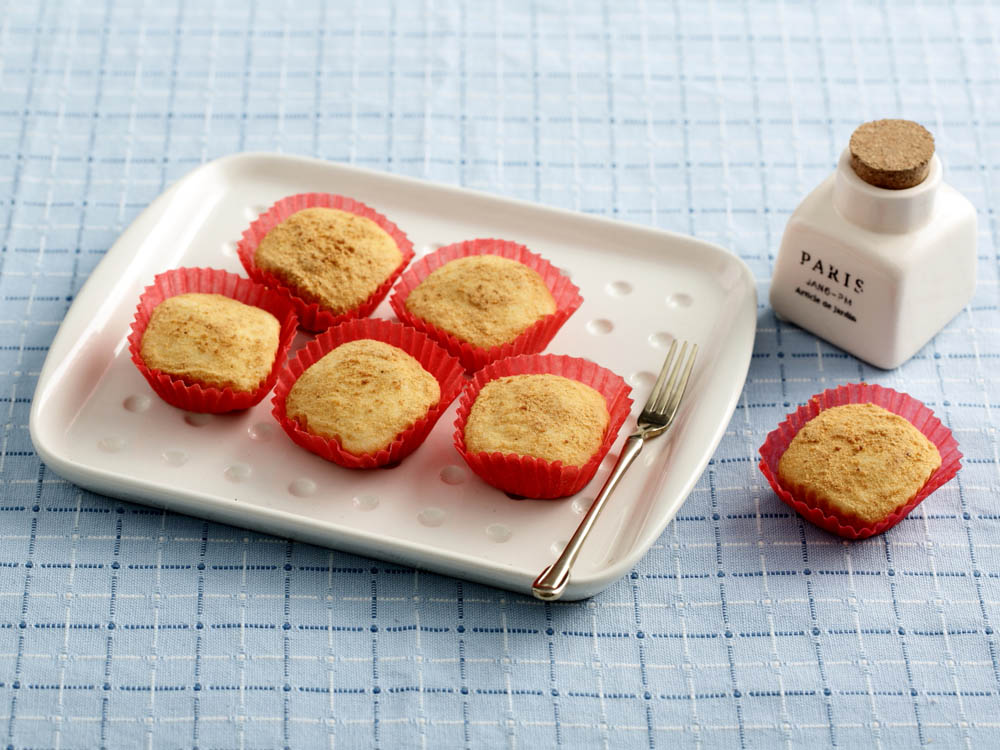
With every bite, the soft and chewy texture is combined with the delicate filling, which gradually melts in the mouth under the delicious interweaving.
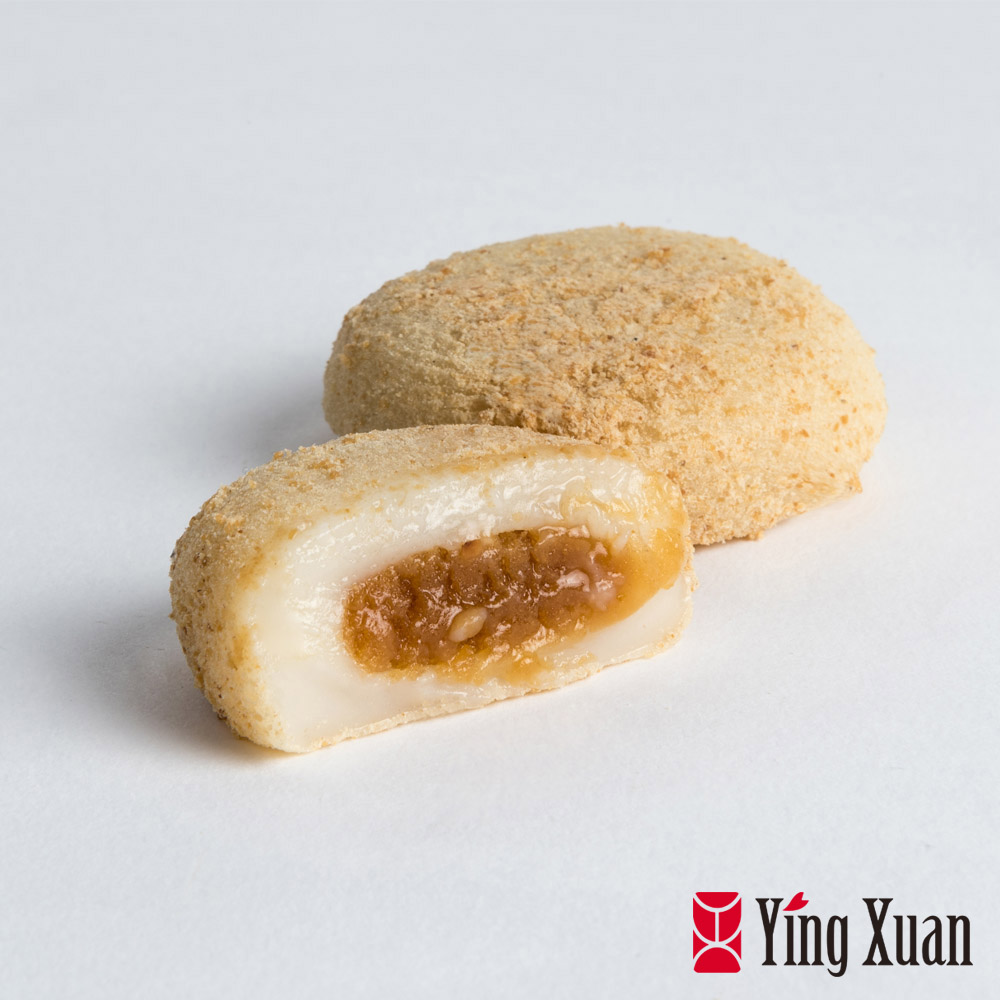
Each box contains 6 mochi, which are carefully prepared and maintained at the best quality. You can enjoy it anytime, anywhere, it tastes better with coffee and tea
Minimum order quantity: 30 boxes
Shipping method: FCL; LCL
Lead time: 30 days
Packaging: Boxed
Professional Certification: HACCP; ISO
Allergen Warning: This product contains peanuts, soy and dairy.
這篇文章 Mochi – Peanut Flavor 最早出現於 Ying Xuan Zhuang。
]]>這篇文章 Mochi – Matcha Flavor 最早出現於 Ying Xuan Zhuang。
]]>
After that, many different flavors were invented, which gradually became one of the delicacies of the New Year.
With every bite, the soft and chewy texture is combined with the delicate filling, which gradually melts in the mouth under the delicious interweaving.
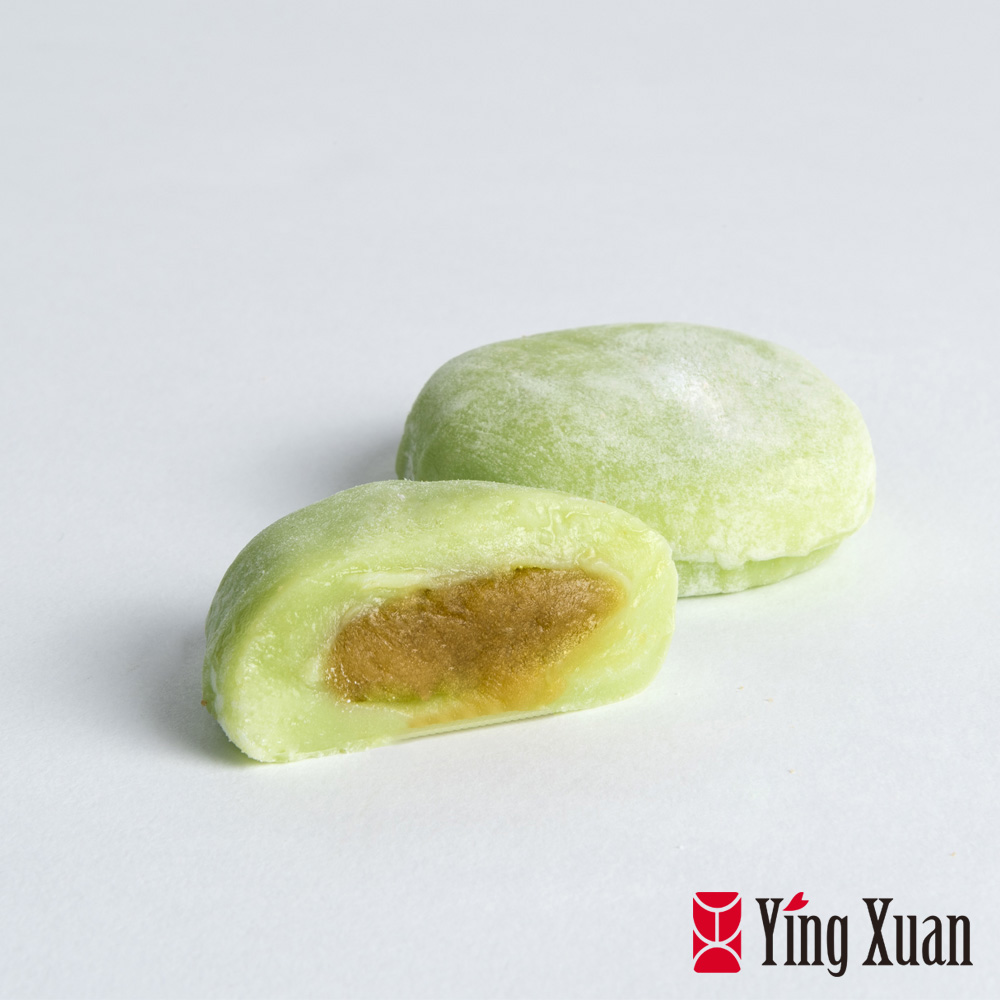
Each box contains 6 mochi, which are carefully prepared and maintained at the best quality. You can enjoy it anytime, anywhere, it tastes better with coffee and tea
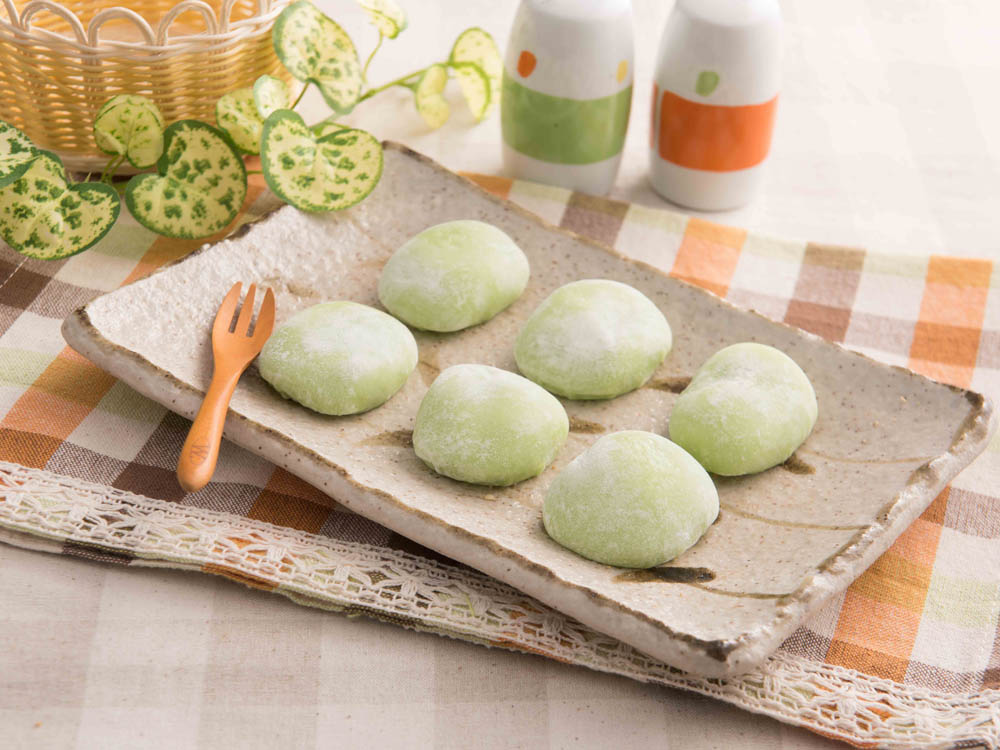
Minimum order quantity: 30 boxes
Shipping method: FCL; LCL
Lead time: 30 days
Packaging: Boxed
Professional Certification: HACCP; ISO
Allergen Warning: This product contains peanuts, soy and dairy.
這篇文章 Mochi – Matcha Flavor 最早出現於 Ying Xuan Zhuang。
]]>