
Key Point: Mochi is a simple yet versatile Japanese delicacy made primarily from glutinous rice, water, and sugar.
Additional ingredients like flavorings and fillings can add variety to this chewy dessert.
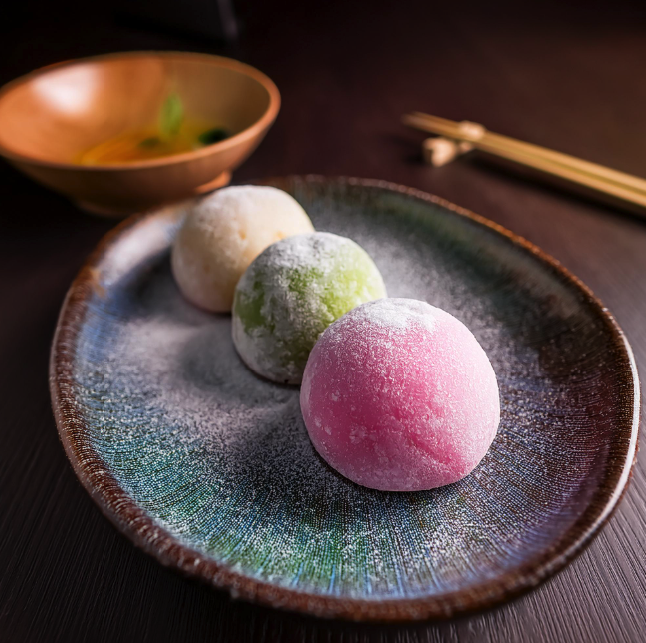
- Glutinous Rice (Sticky Rice)
The primary ingredient in mochi is glutinous rice, also known as sticky rice or sweet rice. This type of rice contains more starch than regular rice, giving mochi its signature chewy and stretchy texture when pounded. - Water
Water is essential in making mochi, as it helps soften the rice during the cooking process, making it easier to shape into the desired texture. - Sugar
Sugar is added to sweeten the mochi dough, making it a dessert. The amount of sugar used can vary depending on the recipe and desired sweetness. - Flavorings
While traditional mochi may not have any additional flavors, modern variations often include ingredients like green tea (matcha), fruit extracts, or cocoa to create unique flavors. - Fillings
Mochi can be filled with various ingredients, turning it into a stuffed dessert. Popular fillings include red bean paste, sweetened condensed milk, ice cream, and even fresh fruit. The filling adds depth to the flavor and texture of mochi.
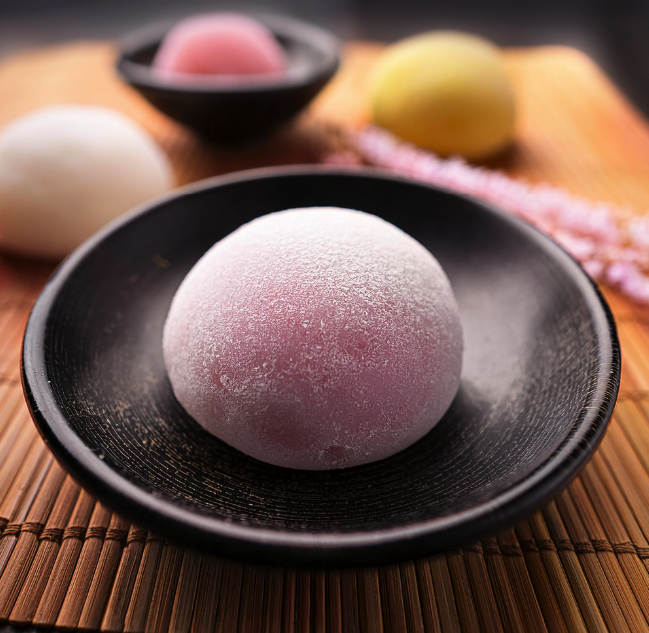
Additional Ingredients for Variations
- Cornstarch or Potato Starch
To prevent mochi from sticking to surfaces or hands during preparation, a light dusting of cornstarch or potato starch is commonly used. - Food Coloring
For a more vibrant and visually appealing mochi, food coloring may be added, especially in store-bought or festive mochi varieties. - Coconut Milk or Milk
In some modern versions, coconut milk or regular milk is used to make the mochi dough creamier and richer in taste.
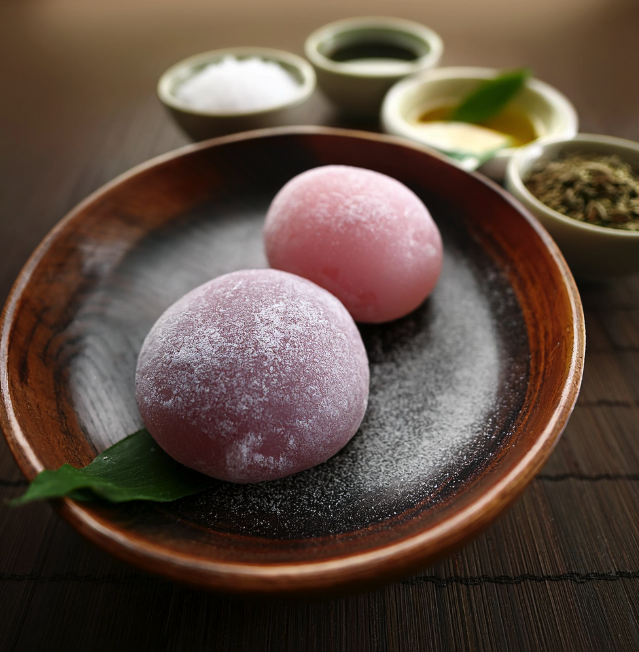
How Mochi Ingredients Affect Texture
- Chewy Texture from Glutinous Rice
The high starch content in glutinous rice gives mochi its iconic chewy texture. The rice becomes sticky and stretchy when cooked, making mochi uniquely soft yet elastic. - Softness from Water and Sugar
Water and sugar balance the firmness of the mochi, giving it a softer texture. Sugar also helps retain moisture, preventing the mochi from becoming too hard.
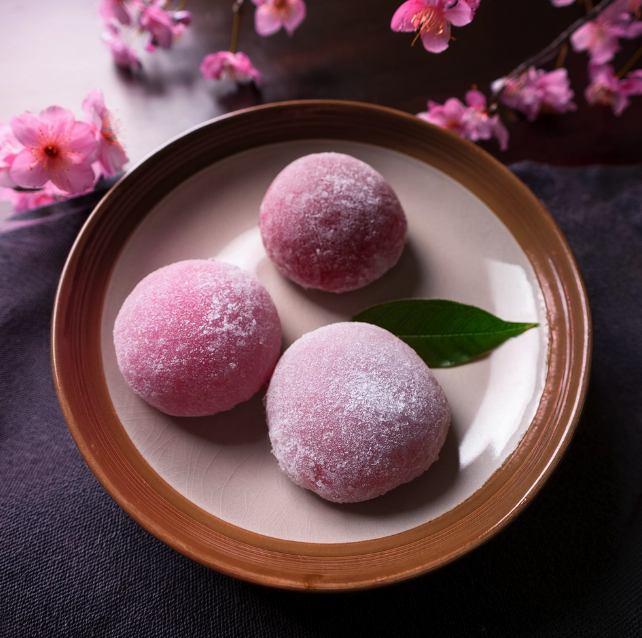
Health Considerations of Mochi Ingredients
- Gluten-Free
Since glutinous rice is naturally gluten-free, mochi is an excellent option for people with gluten sensitivities. - High in Carbohydrates
Mochi is energy-dense due to its carbohydrate content from the glutinous rice and sugar. It provides a quick source of energy but should be consumed in moderation, especially for those watching their carb intake. - Sugar Content
While mochi is a sweet treat, the sugar content can vary. Homemade mochi allows for better control over the amount of sugar used, making it a healthier alternative to store-bought options.
Conclusion
Mochi is a simple yet delicious Japanese dessert made from glutinous rice, water, and sugar, with optional flavorings and fillings. Whether enjoyed plain or filled with tasty ingredients like red bean paste or ice cream, mochi’s chewy texture and customizable flavors make it a beloved treat worldwide.
FAQs
- What is mochi made of?
Mochi is made primarily from glutinous rice, water, and sugar, with optional flavorings and fillings. - Is mochi gluten-free?
Yes, mochi is gluten-free because it is made from glutinous rice, which does not contain gluten. - What fillings are commonly used in mochi?
Popular fillings include red bean paste, ice cream, sweetened condensed milk, and fruit. - Why is mochi chewy?
The high starch content in glutinous rice gives mochi its chewy and stretchy texture. - Can mochi be made with less sugar?
Yes, if making mochi at home, you can adjust the sugar level to make it healthier or suit your taste.
If you are interested in importing mochi to your country for sale, please feel free to contact us.

