
The Ultimate Guide to Mochi: Everything You Need to Know
Mochi, a delightful Japanese treat, has captured the hearts of people all around the world. This chewy rice cake is not just a delicious snack but a versatile ingredient in many dishes. In this comprehensive guide, we’ll explore what mochi is, its history, types, and how to enjoy it. Whether you’re a mochi aficionado or a curious newcomer, this guide will help you appreciate this unique food.
What is Mochi?
Understanding Mochi
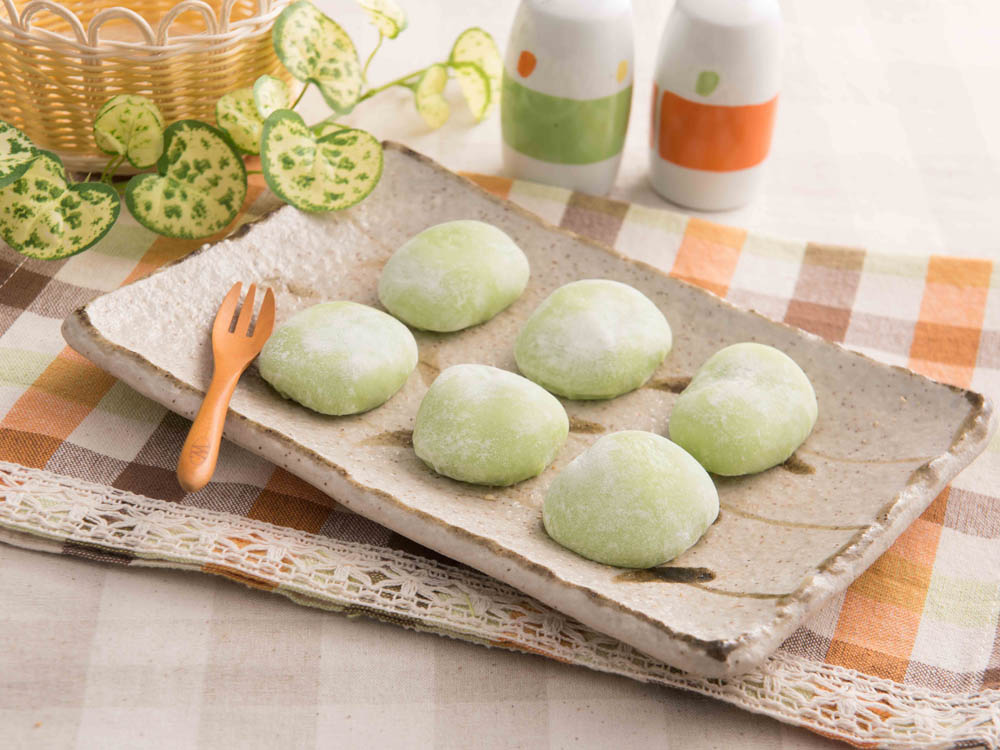
Mochi is a Japanese rice cake made from glutinous rice, also known as sticky rice or sweet rice. The rice is steamed, pounded, and molded into soft, chewy cakes. It’s renowned for its smooth texture and subtle sweetness, making it a popular choice for both sweet and savory dishes.
The Ingredients
The primary ingredient in mochi is glutinous rice. Unlike regular rice, glutinous rice has a higher starch content, which gives mochi its signature chewiness. Additional ingredients, such as sugar or sweeteners, are often added to enhance flavor.
The History of Mochi
Ancient Origins
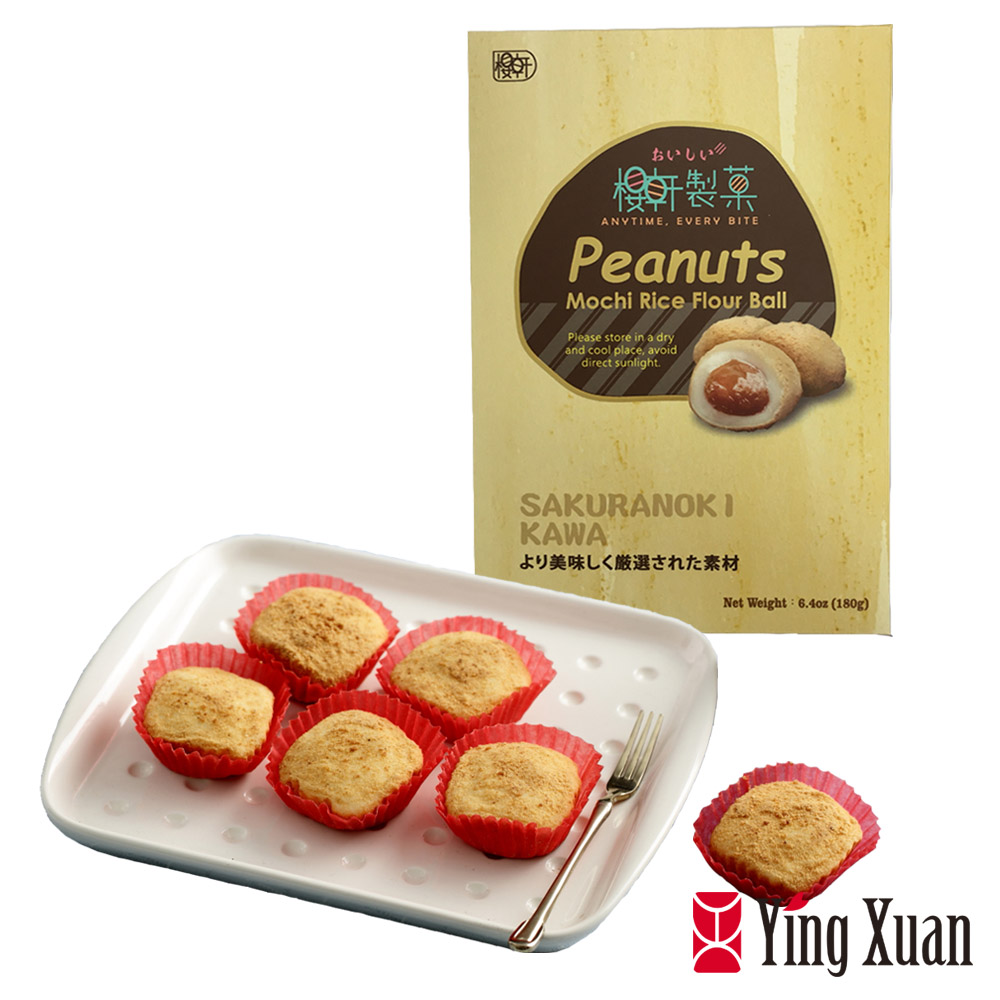
Mochi has a long history in Japan, dating back over a thousand years. Originally, it was a staple food during the Japanese New Year and was used in various traditional ceremonies. Over time, mochi evolved from a ritual food to a popular treat enjoyed by people of all ages.
Mochi in Japanese Culture
In Japan, mochi is not only a food but a symbol of prosperity and good fortune. It’s commonly used in traditional Japanese sweets, such as daifuku and wagashi, and is also a key ingredient in savory dishes like ozoni, a New Year’s soup.
Different Types of Mochi
Traditional Mochi
- Plain Mochi: The classic version of mochi, usually enjoyed with a bit of soy sauce or sugar.
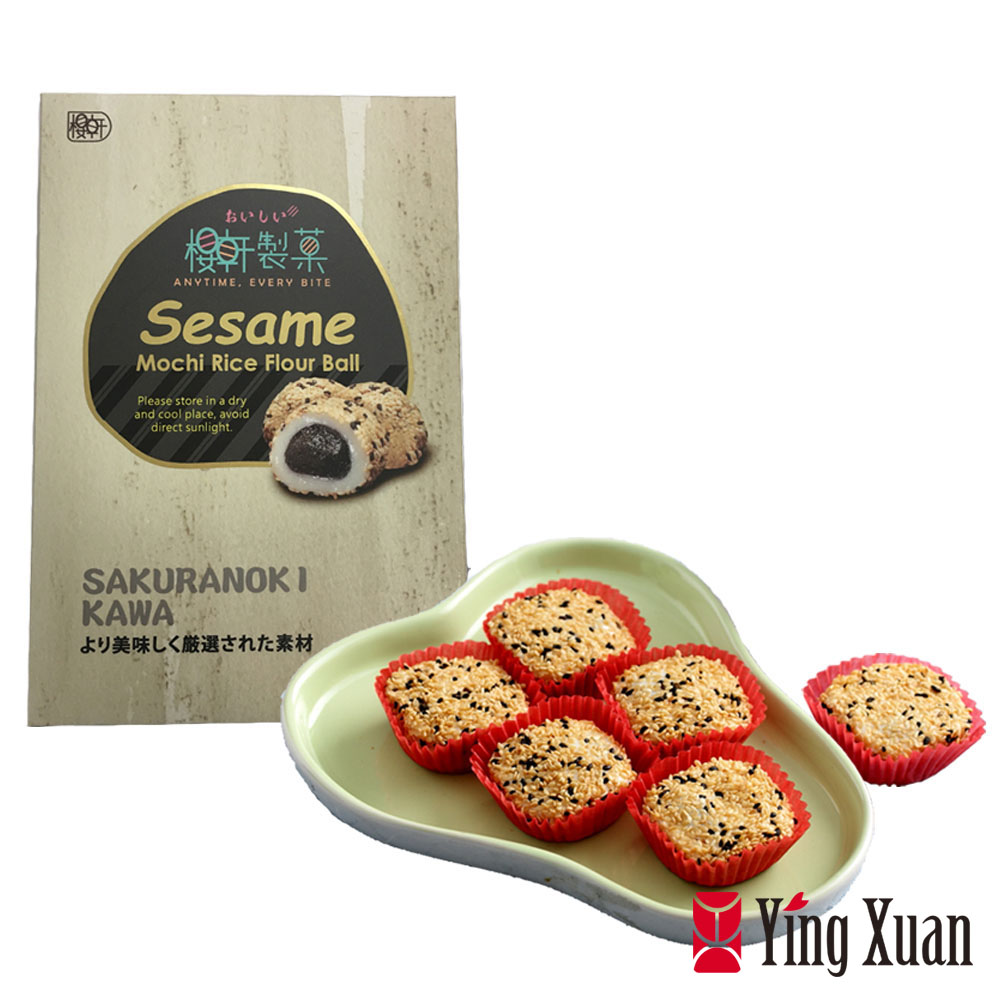
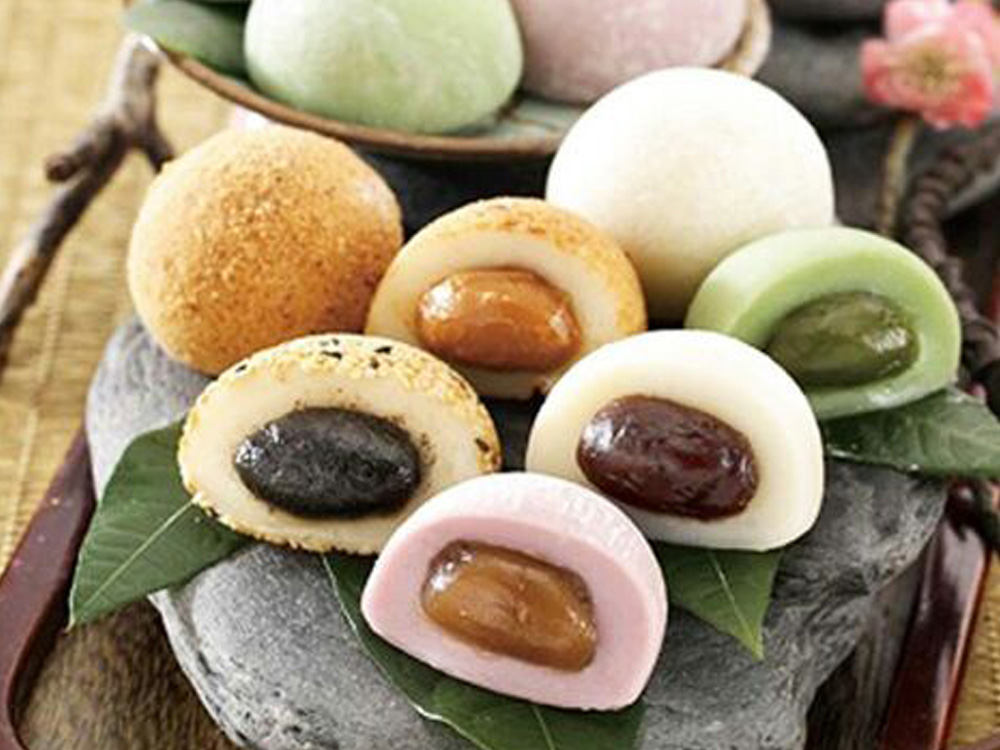
- Daifuku: Mochi filled with sweet red bean paste or other fillings.
- Hanabira Mochi: A special type of mochi often eaten during the New Year’s celebration.
Modern Variations
- Mochi Ice Cream: A contemporary twist on traditional mochi, featuring a layer of ice cream wrapped in mochi.
- Mochi Donuts: A fusion treat combining the chewy texture of mochi with the sweetness of donuts.
- Mochi Bread: A savory variant made with mochi rice and other ingredients to create a chewy bread.
How to Enjoy Mochi
Traditional Methods
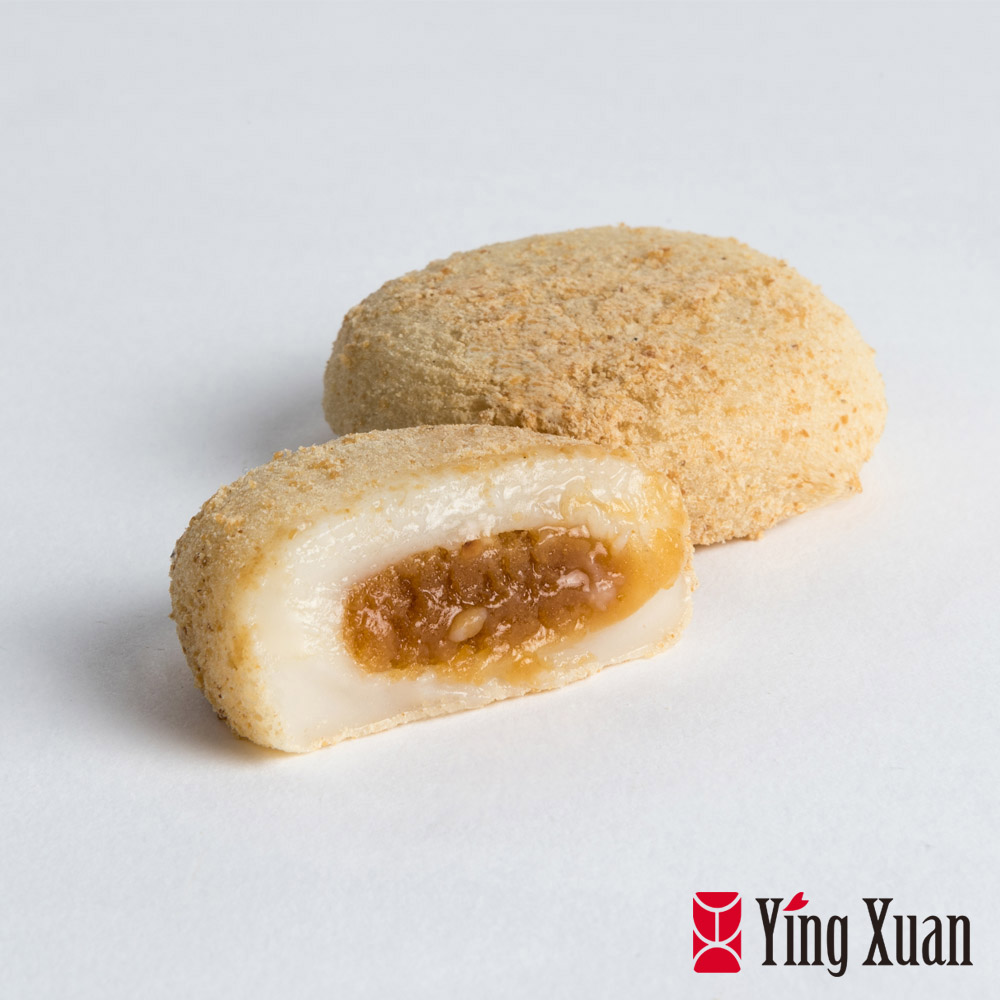
- As a Snack: Enjoy plain or lightly sweetened mochi as a snack. You can also serve it with tea for a traditional experience.
- In Soups: Add mochi to soups like ozoni for a comforting and hearty meal.
- As a Dessert: Use mochi in various desserts, such as ice cream or sweet bean paste-filled treats.
Creative Uses
- Mochi Toppings: Use mochi as a topping for yogurt, fruit salads, or even as a crunchy element in salads.
- Mochi Recipes: Incorporate mochi into recipes like mochi pancakes or mochi pizza for a creative twist.
How to Make Mochi at Home
Ingredients
- Glutinous rice (sweet rice)
- Water
- Sugar (optional)
Instructions
- Soak the Rice: Soak glutinous rice in water overnight.
- Steam the Rice: Steam the soaked rice until tender.
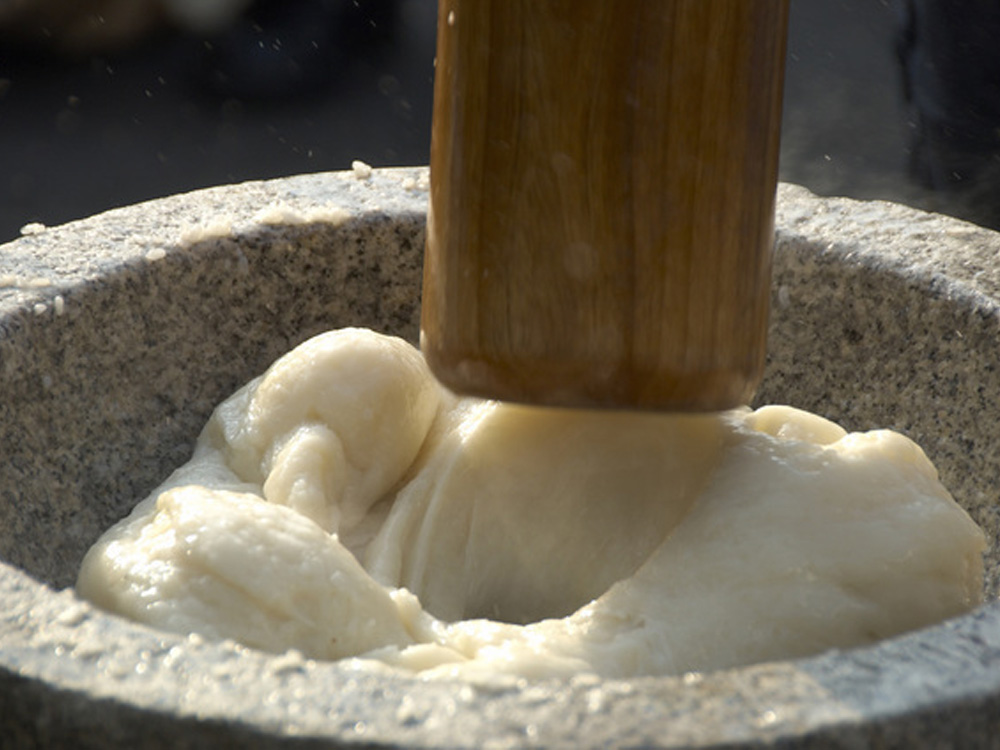
- Pound the Rice: Use a pestle or a mochi maker to pound the rice until it becomes a smooth, sticky dough.
- Shape the Mochi: Mold the dough into small cakes or use a cookie cutter for shapes.
- Let it Cool: Allow the mochi to cool before serving.
Tips for Success
- Use Fresh Rice: For the best texture, use fresh glutinous rice and ensure it’s fully steamed.
- Avoid Over-Pounding: Pound the rice just enough to achieve the right consistency without making it too sticky.
Where to Buy Mochi
In Stores
- Asian Grocery Stores: Many Asian grocery stores carry a variety of mochi, including traditional and modern flavors.
- Specialty Shops: Look for specialty stores that focus on Japanese or Asian cuisine for high-quality mochi products.
Online
- E-commerce Platforms: Websites like Amazon and specialty online stores offer a range of mochi products that can be delivered to your doorstep.
- Japanese Food Retailers: Online retailers specializing in Japanese foods often have a diverse selection of mochi.
Health Benefits of Mochi
Nutritional Value
- Energy: Mochi provides a quick source of energy due to its carbohydrate content.
- Low in Fat: Mochi is relatively low in fat compared to other snacks, making it a lighter option.
Considerations
- Moderation: Due to its chewy texture and high starch content, it’s best enjoyed in moderation.
- Allergies: Be mindful of any food allergies, especially if mochi is filled with other ingredients like nuts or dairy.
Conclusion
Mochi is a versatile and delightful treat that has become beloved worldwide. From its rich history and traditional uses to its modern variations and health benefits, mochi offers something for everyone. Whether you’re trying it for the first time or are a long-time fan, there are endless ways to enjoy this unique rice cake.

FAQs
What is the best way to store mochi?
Store mochi in an airtight container at room temperature for short-term storage. For longer-term storage, keep it in the refrigerator.
Can I freeze mochi?
Yes, mochi can be frozen. Just make sure to wrap it properly to prevent freezer burn.
Is mochi suitable for people with gluten allergies?
Mochi is made from glutinous rice, which contains gluten. It is not suitable for people with gluten allergies or celiac disease.
How long does homemade mochi last?
Homemade mochi typically lasts for about a week when stored properly. It’s best to consume it fresh for optimal texture and flavor.
Where can I buy mochi online?
Mochi can be purchased from various e-commerce platforms like Amazon or specialty online food retailers.
If you want to buy mochi in bulk for resale in your country, please feel free to contact us.
